Retired Greyhounds: Life After Racing, Temperament, and Health After Retirement
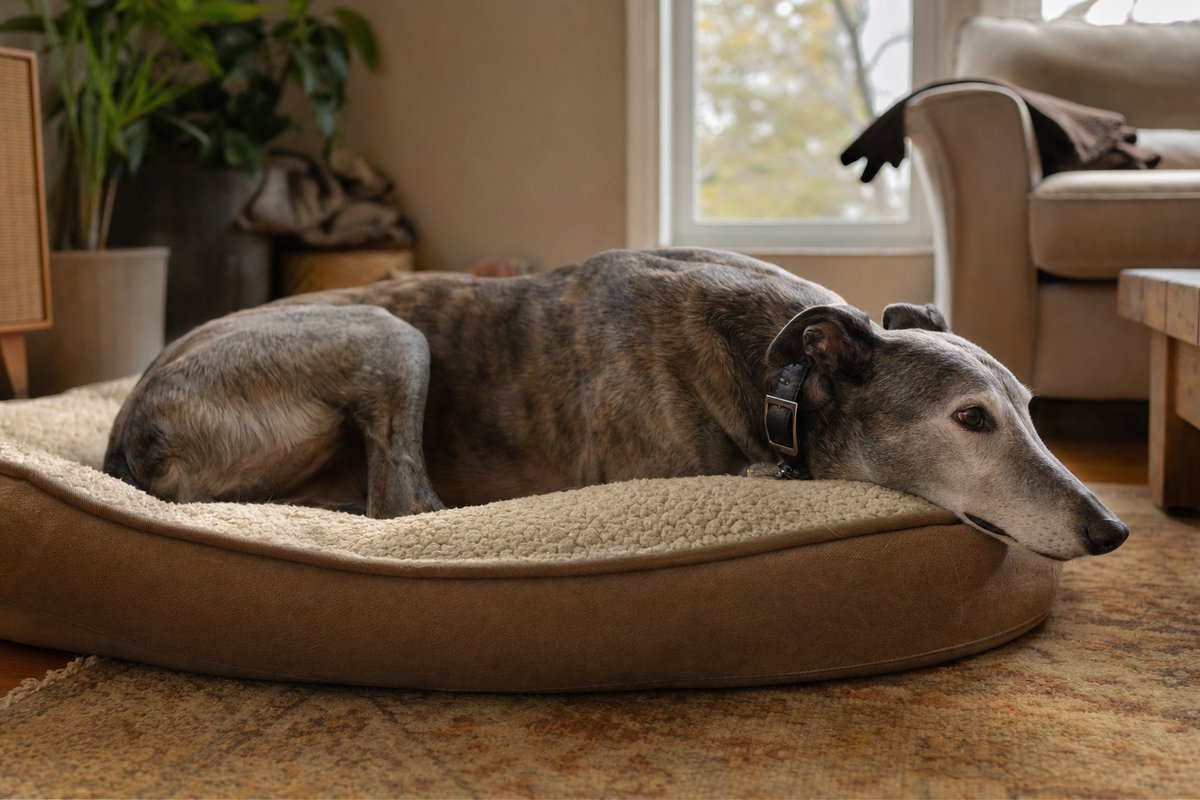
Every year, thousands of dogs leave professional racing kennels and enter ordinary homes as pets for the first time. A retired greyhound is, in almost every sense, a beginner at domestic life: stairs, glass doors, tile floors, and a soft bed are all new experiences after years spent in a structured kennel-and-track routine. Understanding what that transition actually looks like, rather than relying on assumptions carried over from the breed's racing reputation, is the first step toward a successful retired greyhound adoption. This page covers why greyhounds retire from racing in the first place, what their temperament is really like once they're off the track, the health issues that tend to follow a racing career, and how long the adjustment period from kennel to couch typically takes.
Why Greyhounds Retire From Racing
Most racing greyhounds retire between two and five years old, well before a dog's typical lifespan begins to slow down. A racing career ends for a handful of predictable reasons: declining lap times as a dog ages past its physical peak, a soft-tissue or orthopedic injury that ends competitive racing even if it doesn't end the dog's ability to live an active life, or a breeding program deciding a particular dog's bloodline isn't a fit for future litters. None of these reasons reflect anything about temperament or trainability; they are structural facts of the sport itself.
The number of active greyhound racing tracks in the United States has declined significantly over the past two decades, which has shifted a growing share of retiring dogs toward adoption programs and greyhound rescue groups rather than continued racing or breeding careers. Retirement age, in other words, is set by the track and the sport's own structure, not by the dog's suitability as a pet, and a two-year-old retired racing greyhound generally has ten or more years of healthy life left to give a family.
Life After Racing: The First Weeks at Home
Life after racing starts with a kennel routine that doesn't disappear overnight. A racing greyhound spent most of each day crated, let out for turnout and short training sprints on a fixed schedule. That structure is oddly reassuring to a dog that has never known anything else, so most rescue placement counselors recommend keeping a similarly predictable schedule for the first few weeks: consistent mealtimes, a designated quiet space, and short, calm walks rather than expecting a newly retired greyhound to settle immediately into a household's existing routine.
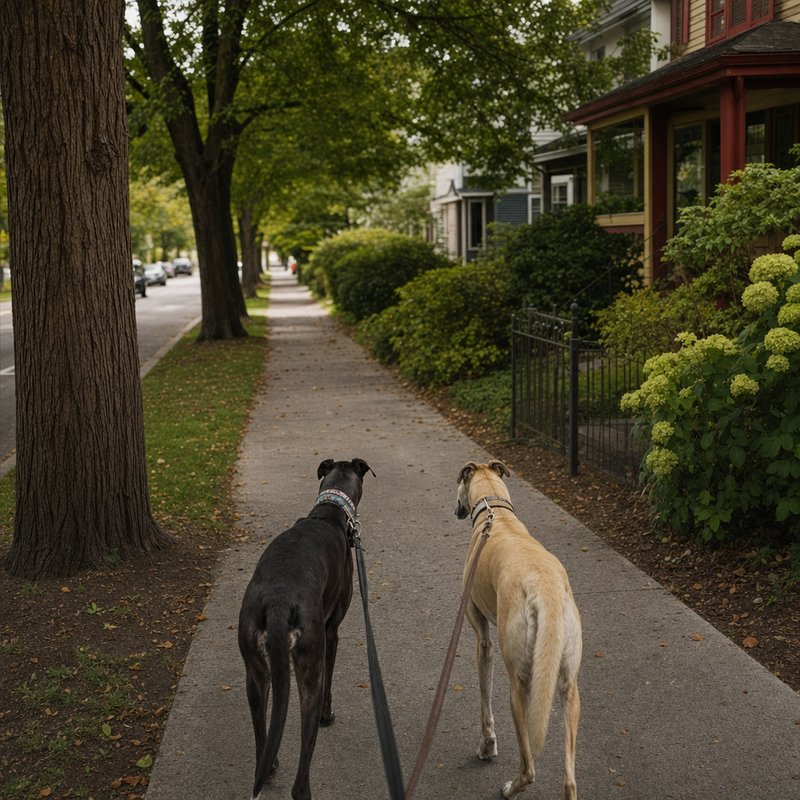
Early walks are typically done on a leash with a muzzle, standard safety equipment from the dog's racing days that many adopters choose to keep using during the introduction period, particularly around small animals or unfamiliar dogs, until the greyhound's reactions to everyday stimuli become predictable. Stairs, hardwood or tile floors, and glass doors are common early hurdles; a dog that spent its life on a soft, consistent track surface has to learn, sometimes literally, how to walk on a slick kitchen floor. None of this is unusual, and it resolves for most dogs within the first month once the household settles into its own version of the step-by-step process most adoption groups walk new owners through before and after placement.
Retired Greyhound Temperament: Myth Versus Reality
The retired greyhound's reputation as a lean, muscular racing athlete creates an expectation that rarely matches reality once the dog is off the track. The breed is often described, accurately, as a 45 mph couch potato: capable of a genuine sprint in short bursts, but content to sleep 16 to 18 hours a day the rest of the time. That combination surprises a lot of first-time adopters who expect a marathon running partner and get, instead, a dog that would rather share the sofa.
So do retired greyhounds make good pets for a typical household? For most homes, yes. Retired racing greyhounds are raised around large numbers of other dogs and handlers from puppyhood, which tends to produce a calm, non-territorial, people-oriented temperament. They are rarely aggressive toward people, tend to be quiet, and adapt well to apartment living precisely because their exercise needs are met with short bursts of activity rather than hours of daily exercise. The most common temperament caveat involves small animals: a dog bred for generations to chase a lure has a real prey drive, so introductions to cats and small dogs need to be managed carefully rather than assumed away. Beyond that one caveat, do retired greyhounds make good pets? Every year, thousands of calm, well-adjusted retired racers answer that question by settling successfully into first-time homes, apartments, and households with older children.
Health Considerations for a Retired Racing Greyhound
A racing career leaves physical traces, and understanding them is part of preparing for a retired greyhound adoption. Three issues come up consistently with veterinarians who treat the breed.
Dental health is the most common. Greyhounds are prone to periodontal disease at a notably higher rate than most breeds, and years of a high-protein racing diet combined with a genetic predisposition to plaque buildup mean many retired dogs arrive at their new home already needing a dental cleaning. Regular home dental care, covered in more detail in this site's greyhound care guide, becomes a bigger priority for this breed than for most.
Thin skin is the second. Greyhounds carry very little body fat and a coat that offers minimal cushioning, so their skin tears and bruises more easily than a typical dog's. Minor scrapes and cuts from rough play or brushing against furniture are common and usually heal fine, but adopters should expect more small skin injuries than they would with a thicker-coated breed.
Orthopedic wear is the third. Years of hard sprinting on a track put real, repeated stress on joints, and arthritis or old racing injuries can surface later in life, sometimes not until a dog is well into its senior years. A veterinary exam soon after adoption, with baseline X-rays if the adopting family and vet think it's warranted, gives a useful record to compare against as the dog ages. None of these three health considerations should discourage a retired greyhound adoption, but each is worth knowing before bringing one home rather than discovering it by surprise.
The Adjustment Period: What to Expect
Most families see the biggest behavioral changes in the first two to four weeks, with dogs continuing to relax and reveal more personality for months afterward. A greyhound that seems subdued or overly cautious in week one is often just processing a completely unfamiliar environment; confidence tends to build steadily rather than arrive all at once. Signs the adjustment period is going well include a growing willingness to explore rooms unsupervised, relaxed body language around household routines like vacuuming or doorbells, and a settling sleep schedule.
Adopters who stay in touch with the rescue or adoption group that placed the dog, many of which offer post-adoption support well beyond the paperwork stage, tend to navigate this period with fewer surprises. Patience during these early weeks pays off: life after racing rewards a family willing to give a retired greyhound time, and a dog that feels secure in its new home tends to stay that way for the rest of its life.
Frequently Asked Questions
Straight answers to the questions people ask most before adopting a retired greyhound.
What age do greyhounds retire from racing?
Most greyhounds retire between two and five years old, after peak racing performance declines, an injury ends a dog's competitive career, or a breeding program moves the dog toward adoption instead. A typical retired racing greyhound still has ten-plus years of healthy life ahead.
Do retired greyhounds make good pets for families with kids?
Yes, in most cases. Retired greyhounds are typically calm, gentle, and well-socialized around people, which tends to make them a good match for families with older, gentle children. Supervision with very young children is still recommended, as with any large breed.
Are retired greyhounds good with cats?
It depends on the individual dog. Prey drive varies, and many retired greyhounds live successfully with cats after a slow, structured introduction, while others should not be trusted off-leash around small animals. A "cat test" through the placing rescue before adoption is the most reliable way to know.
Why do greyhounds wear muzzles?
Muzzling is standard safety equipment on the racetrack, required because greyhounds run in close, fast packs where a nip can cause a serious pile-up injury. It reflects a safety rule of the sport, not an indicator of aggression, and most retired greyhounds never need a muzzle again once they've settled into home life.
How much exercise does a retired greyhound need?
Far less than their racing background suggests. A short walk or two per day, plus a secure area to stretch into a sprint occasionally, meets most retired greyhounds' exercise needs, since the breed is built for brief bursts of speed rather than long endurance activity.
What health problems are common in retired racing greyhounds?
Dental disease, thin and easily torn skin, and orthopedic wear from years of racing are the three most consistently reported issues. A veterinary check-up shortly after adoption helps establish a baseline for all three.
How long does it take a retired greyhound to adjust to home life?
Most of the visible adjustment happens in the first two to four weeks, though many greyhounds continue to grow more confident and playful for months after adoption as they settle into a stable routine.
Do retired greyhounds bark a lot?
No. Excessive barking is uncommon in the breed; many retired greyhounds are notably quiet compared to other dog breeds of a similar size.
Where can someone find a retired greyhound available for adoption?
Regional and national greyhound-specific rescue organizations maintain adoption lists and matching processes. A directory of reputable rescue organizations is a useful starting point for finding one in a given area.