A Greyhound Rescue Directory: How to Find a Reputable Rescue Near You
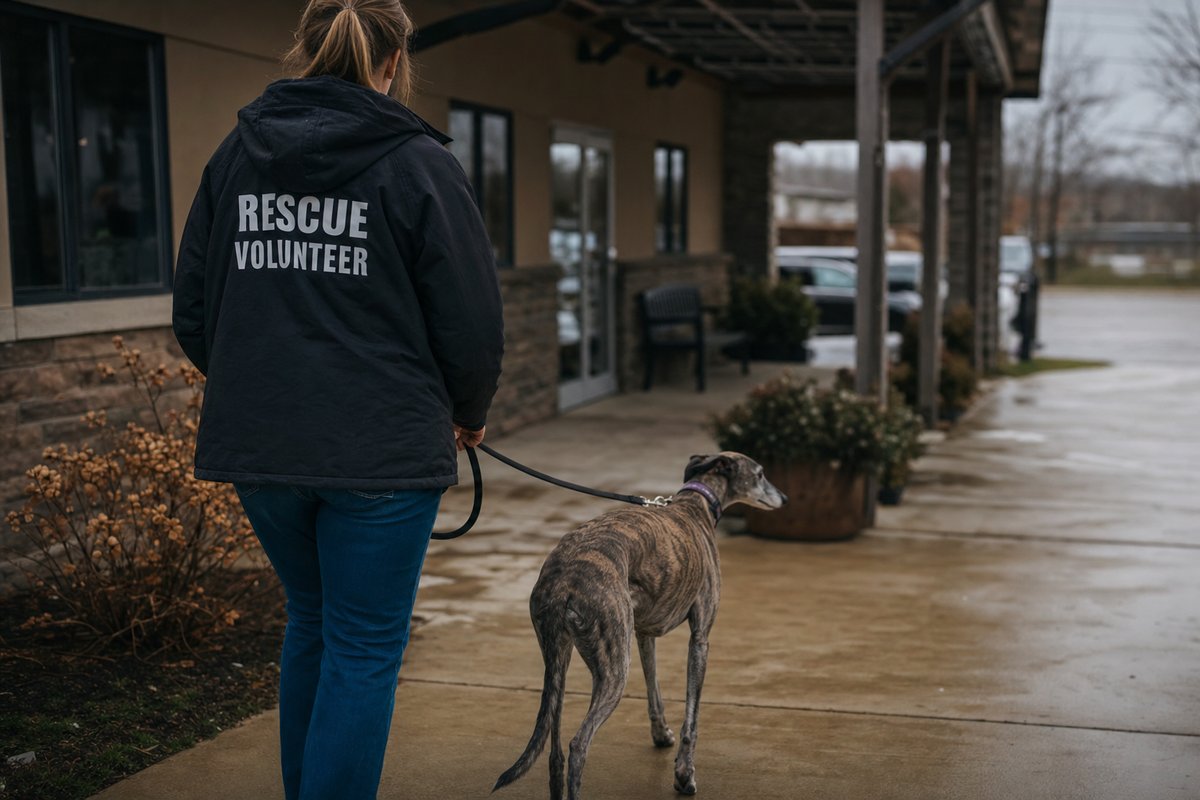
A greyhound rescue near me search is where most adoptions start, and it usually returns more organizations than it does ways to tell them apart. Picking the right one is less about locating any group with dogs available and more about finding one that vets adopters carefully, discloses a dog's medical and behavioral history honestly, and stays reachable for support after the adoption is final. This page works as a greyhound rescue directory of sorts: it explains how a reputable rescue differs from a general-purpose animal shelter, lists specific national and regional organizations worth researching, and sets out the questions worth asking before committing to one.
Greyhound Rescue vs. Animal Shelter: What's the Difference
A greyhound rescue and a general animal shelter serve related but different roles, and understanding the difference helps set expectations. A municipal or county animal shelter takes in whatever animals arrive in a given area, houses them for a legally required holding period, and works with limited staff and space across every breed and age. A dedicated greyhound rescue, by contrast, usually works directly with racing kennels, tracks, or breeding farms to take custody of retired dogs before they ever reach a general shelter system, and specializes almost exclusively in the breed's specific temperament and medical needs.
That specialization shows up in practice. A breed-specific group typically muzzle-trains a dog and evaluates its reaction to cats, small dogs, and children before placement, something a general shelter handling hundreds of unrelated intakes per month rarely has the staff time to do consistently. Foster homes are common in greyhound-specific rescue, letting a volunteer observe a dog's real personality for weeks before matching it to an adopting family, an approach the temperament and health background on retired greyhounds covered elsewhere on this site explains in more depth. Neither model is wrong, but adopters who want breed-specific screening should look first to a dedicated rescue rather than a general shelter's greyhound listings.
How to Find a Reputable Greyhound Rescue
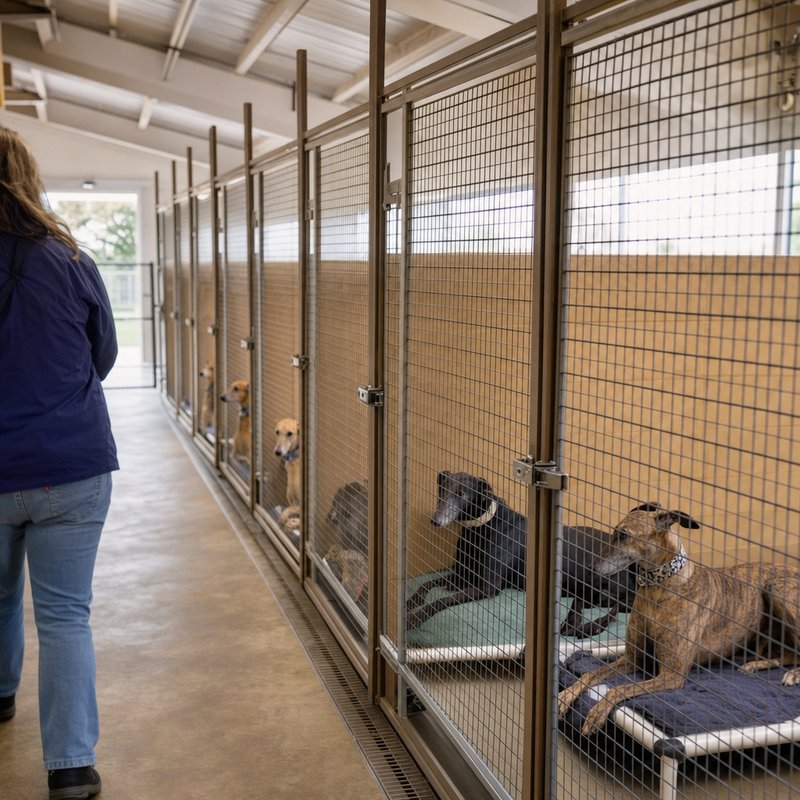
Learning how to find a reputable greyhound rescue starts with a short list of concrete signals rather than a gut feeling. A reputable one is typically a registered nonprofit, willing to share its adoption contract and return policy in writing, transparent about a dog's known medical history including dental and orthopedic notes, and able to provide references from recent adopters on request.
Red flags run in the opposite direction: an organization unwilling to do a home visit or phone screening, vague answers about where its dogs come from, pressure to adopt immediately without a meet-and-greet, or no clear plan for what happens if a placement doesn't work out. A reputable rescue treats an adoption more like a long-term partnership than a same-day transaction, and most walk adopters through a process similar to the general adoption timeline this site outlines separately, covering application, screening, and a trial or foster period before finalization.
Greyhound Rescue Near Me: Finding One in Your Area
A greyhound rescue near me search usually turns up a mix of national organizations with regional chapters and independent local groups that operate out of foster homes rather than a physical shelter building. Both are legitimate; the difference mostly affects how quickly a specific type of dog becomes available and how far someone may need to travel for a meet-and-greet.
Because greyhound-specific rescues are less numerous than general shelters, someone searching in a smaller city may need to expand the radius to a neighboring state, work with a regional chapter that transports dogs periodically, or join a waiting list for the next placement group. Rescues that specialize in the breed are generally used to long-distance adopters and often coordinate transport, so a longer search radius shouldn't be treated as a dead end.
A Directory of National and Regional Greyhound Rescue Organizations
A handful of established organizations are consistently recommended by veterinarians, breed clubs, and other rescue groups as reliable starting points for a search:
- GREY2K USA Worldwide: a national greyhound protection organization that also maintains adoption resources and connects prospective adopters with vetted greyhound rescue groups across the country.
- Greyhound Pets of America: a longstanding network of regional chapters, each operating its own adoption program, foster network, and post-adoption support for retired racing greyhounds.
- Greyhounds in Motion: a regional greyhound-specific rescue known for its foster-based placement model and its focus on matching dogs to compatible households before finalizing an adoption.
These organizations are mentioned here as a starting point for research, not as an exhaustive list, and every rescue, however well known, should still be evaluated against the reputable-rescue checklist below before an adopter commits.
Fostering a Greyhound Before Committing to Adopt
Fostering is one of the most useful, and most underused, tools a rescue group offers. A foster arrangement places a dog in a volunteer's home on a temporary basis, at little or no cost, while the rescue continues to look for the dog's permanent match, or while a specific household decides whether a particular dog is the right long-term fit. For someone still deciding whether to adopt at all, fostering offers a lower-commitment way to experience a retired greyhound's real day-to-day temperament, energy level, and habits before signing an adoption contract.
Most reputable rescues that offer fostering also offer a foster-to-adopt path: if the fit works, the temporary placement simply converts into a permanent adoption with the same dog, skipping a second transition for the animal. Even for adopters who are confident from the start, asking whether a rescue supports fostering is a reasonable way to judge how flexible, and how genuinely dog-focused, an organization's placement process really is.
Questions to Ask a Rescue Before Adopting
A short list of direct questions, asked before any paperwork is signed, does more to protect both the dog and the adopter than any amount of website research:
- What is this dog's known medical history, including dental work and any past injuries?
- Has the dog been evaluated around cats, small dogs, and children?
- What is the adoption fee, and exactly what does it cover?
- Is there a trial or foster period before the adoption is finalized?
- What is the rescue's return policy if the placement doesn't work out?
- Can the rescue provide references from adopters who placed a dog in the last year?
- What post-adoption support does the rescue offer for medical or behavioral questions?
- Where did this specific dog come from, and how long has the rescue known it?
Asking all eight, and expecting clear, specific answers rather than vague reassurance, is a fast way to separate a reputable greyhound rescue from one that isn't ready for the responsibility.
Frequently Asked Questions
Common questions about finding and vetting a greyhound rescue.
What is the difference between a greyhound rescue and a shelter?
A greyhound rescue specializes exclusively in the breed, often taking dogs directly from racing kennels and screening them thoroughly before placement, while a general animal shelter takes in all breeds and has less capacity for breed-specific evaluation.
How do I find a reputable greyhound rescue?
Look for a registered nonprofit that shares its adoption contract, discloses medical history, allows a foster or trial period, and offers references from recent adopters. Vague answers or pressure to adopt immediately are warning signs.
Is there a greyhound rescue near me if I live in a small town?
Likely yes, though possibly through a regional chapter rather than a local one. Many greyhound rescues coordinate transport across state lines, so a search radius of a few hundred miles is often necessary outside larger metro areas.
How much does it cost to adopt from a greyhound rescue?
Adoption fees typically range from roughly $200 to $400, usually covering spay or neuter, vaccinations, microchipping, and a dental check, though the exact figure varies by organization and region.
Do greyhound rescues require a fenced yard?
Some do, some don't; policies vary by organization. Rescues that don't require a fence typically require a firm commitment to leash walks, since greyhounds can outrun most fences if they choose to chase something.
Can I foster a greyhound before deciding to adopt?
Many rescues offer a foster-to-adopt option specifically because it lets both the household and the rescue confirm the placement is a good fit before finalizing paperwork.
What questions should I ask a rescue before adopting?
At minimum, ask about medical history, behavior around small animals and children, the return policy, what the adoption fee covers, and available post-adoption support.
Are GREY2K USA, Greyhound Pets of America, and Greyhounds in Motion the only reputable options?
No. They are well-established starting points, but numerous smaller regional and local greyhound rescues are equally reputable. Any organization, large or small, should be evaluated against the same checklist of questions.